

Travelling after cardiac arrest is entirely possible, and for many survivors, the moment they book their first holiday marks a genuine turning point in recovery. It does take some preparation, but nothing that cannot be managed. Whether you are travelling for everyday life, work, or leisure, you can overcome the challenges. This guide was last reviewed in June 2026 and includes the new EU border rules affecting UK travellers.
Confidence When Travelling After Cardiac Arrest
The first thing you need is the will to travel. A sudden cardiac arrest knocks the stuffing out of most people, and it can also leave less obvious effects, such as a newly instilled fear of travelling. This might be due to a lack of trust in your own body, being in confined or crowded spaces, being among people who do not understand your newly hidden frailties, the fear of being shocked in a public place, or simply a phobia that has taken hold. Sometimes it is a case of taking small steps to gradually overcome these fears, and sometimes a little extra help is needed. If anxiety is holding you back, our pages on anxiety and PTSD may help.
Driving Restrictions After Cardiac Arrest
One of the most immediate travelling problems is that most sudden cardiac arrest survivors have to surrender their driving licence for a period, often six months, and must tell the DVLA. For a while, then, you will have to get used to being a passenger. The exact rules depend on your circumstances and whether you have a device fitted, so see our full guidance on driving and the DVLA. If you have had a device implanted, be wary of the seat belt crossing over it; using something to cushion it can help in the early weeks after the implant.
If you cannot drive and need to get around, it is worth investigating options such as a bus pass, or, if you need help getting to work, the Access to Work scheme, which at least one of our members has used successfully.
Holidays After Cardiac Arrest
For most people, having had a sudden cardiac arrest will not stop them from going on holiday or to sunnier climes, but it is sensible to make sure any trip passes off with the minimum of fuss. A few things are worth being aware of.
- Consider accommodation that is easy to reach and close to amenities.
- If you are still recovering, start with a relaxing break. As you get fitter and more confident, you can take on more active holidays.
- Always take enough medication for the whole trip, and ideally a little extra. Write down what you take and how much, in case you need to get more.
- When flying, keep as much medication as you can in your hand luggage, in the original packaging, so that if your case goes missing, you still have enough on you.
- Because your medication will be in your hand luggage, always carry your GP prescription and a doctor’s note.
- Take your ICD or pacemaker identification card. Security staff are usually well versed and understanding, and simply telling them you have a cardiac device is normally enough. It can sometimes be easier to say you have a pacemaker rather than an ICD, as pacemakers are better known and are handled in the same way.
- Travel insurance matters wherever you go. Read every quote carefully and make sure it covers all pre-existing conditions. For peace of mind, you may prefer to ring the insurer and speak to someone rather than buying online. See our page on insurance after cardiac arrest for more.
- Get a free NHS healthcare card. There are two types: the UK Global Health Insurance Card (GHIC) and, for some people, a UK European Health Insurance Card (EHIC). Check the NHS website for which is right for you and what it covers.
- Remember that the GHIC and EHIC are not a substitute for travel insurance. They do not cover private healthcare, mountain rescue, being flown back to the UK, or lost or stolen property, and they do not cover treatment you travel abroad specifically to receive.
New EU Travel Rules in 2026: EES and ETIAS
If you are travelling to Europe, two new border systems now affect UK travellers. Neither stops you from travelling, but both are worth knowing about so you can plan, especially if fatigue, anxiety, or reduced mobility mean that long queues are difficult for you.
The Entry/Exit System (EES) is a biometric border system that is being phased in across the Schengen area during 2025 and 2026. Instead of having your passport stamped, the first time you cross an external Schengen border, you register your fingerprints and have a photograph taken, usually at a self-service kiosk. This one-off enrolment takes a few minutes and may lead to longer queues at busy times, particularly in the early days of the system. After your details are registered, later crossings should be quicker.
ETIAS (the European Travel Information and Authorisation System) is a separate, pre-travel online authorisation, broadly similar to the US ESTA. It is expected to launch later in 2026. When it is in force, UK travellers will need to apply online and pay a small fee before they travel, with most approvals coming through quickly. It is not yet required, but it is sensible to be aware that it is coming.
Dates and details for both systems have changed several times, so check the latest position on GOV.UK foreign travel advice before you go. From a cardiac point of view, the practical message is simple: allow extra time at the border, keep your medication and device identification easily accessible rather than packed away, and if you need help, ask your airline or the airport about assistance in advance.
Passports and entry requirements
For travel to most of Europe, UK passport holders need a passport that was issued less than ten years before the date of entry, and that is valid for at least three months after the day you plan to leave. It is worth checking your passport well before booking, as renewals can take time.
Flying After Cardiac Arrest

- If it is your first holiday after your SCA, it is wise to double-check with your GP or cardiologist that it is safe for you to travel.
- If you get the go-ahead and would like further reassurance, ring your airline and speak to their special assistance team. They can arrange help with bags or wheelchair assistance at the airport if you struggle to walk long distances, and advise you on oxygen on board if you need it.
- If you are ever nervous about flying, remember that the cabin crew’s main purpose on board is passenger safety. They are trained to handle a wide range of situations, including performing CPR and using a defibrillator.
- If you need to carry liquids, creams, or gels over 100ml in your hand luggage for medical reasons, you will need a letter from your doctor and approval from the airline before you travel.
- If you are flying across time zones, it can be hard to keep to your usual medication pattern. Your GP or practice nurse can advise you on how best to manage this.
Airport Security When Travelling After Cardiac Arrest
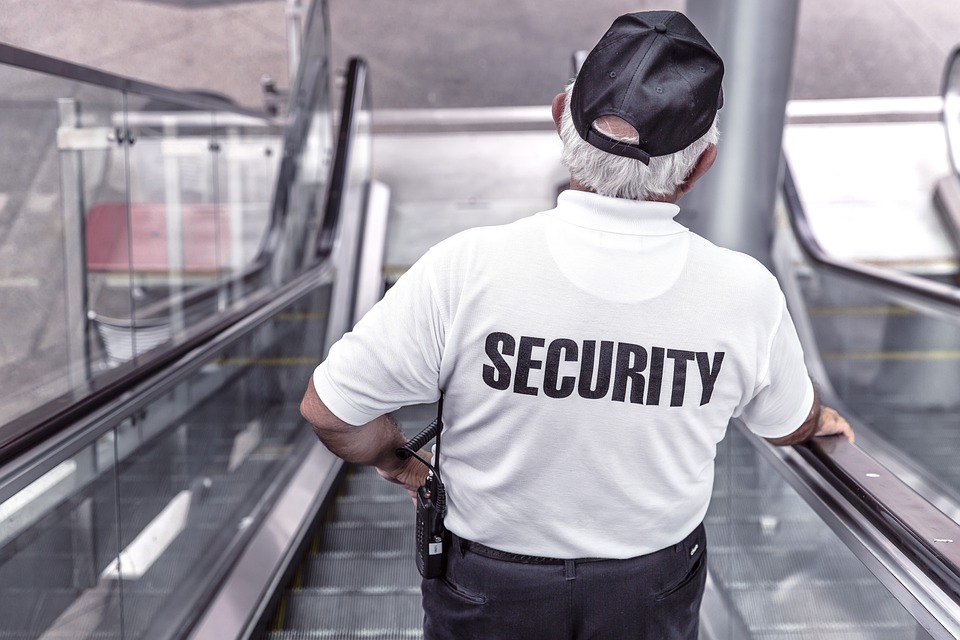
If you have an ICD or pacemaker, carry your device identification card and tell airport staff that you have a device fitted. If you are asked to pass through the security archway, walk through at a normal pace and do not linger.
Modern implanted devices are well shielded against outside interference, so problems are very unlikely, although the metal casing may set off the alarm. If a hand-held detector is used, it should not be held directly over your device. In practice, modern airport security is safe for people with implanted heart devices. For more on this, see our page on electromagnetic compatibility.
Climate Considerations When Travelling After Cardiac Arrest

If you have a heart condition, it is sensible to be cautious about destinations with extreme temperatures, whether very hot or very cold, as both can put added strain on the heart. Angina can be worsened by cold weather and aggravated by very hot weather.
If you do travel somewhere hot, keep well hydrated throughout the day and try to stay in the shade between 11 am and 3 pm, when the sun is at its strongest. The British Heart Foundation has more on how heart health is affected by hot weather and cold weather.
Holiday Activities After Cardiac Arrest

After a sudden cardiac arrest, it is natural to want to get back to the things you love, especially if you are keen on sport. Many people return to their favourite activities after a full recovery, though some require more thought.
Most holiday activities are fine and will not interfere with an ICD, but do speak to your doctor first if you are planning anything strenuous or extreme, such as skiing, water sports, or intense hiking. Take particular care with contact sports, as you do not want to knock your device. If you do plan adventurous activities, make sure they are noted on your travel insurance, or you may not be covered.
Travelling After Cardiac Arrest: Frequently Asked Questions
Questions our community asks most often about travelling after a cardiac arrest. If your question is not answered here, you can suggest a new FAQ.
Are there any restrictions on travel to a foreign country?
Your heart device monitors your heart rhythm and delivers therapy wherever you are in the world. There are no specific restrictions on travelling abroad with an ICD, though there are some practical considerations to plan for.
Take your device ID card with you at all times. This identifies your device to medical staff if you need treatment abroad and helps at airport security. Make sure you have comprehensive travel insurance that covers your cardiac condition. Let your ICD clinic know you are travelling, particularly if you are going for an extended period, as remote monitoring may need to be adjusted for a different time zone or if you will be away from your base station.
If you need medical attention abroad, inform the treating team that you have an ICD and carry the manufacturer contact details with you. In an emergency, they can provide technical support to local clinicians.
Category: Implantable DevicesWill an aviation transponder receiver (ADS-B) affect my ICD?
Aviation transponder receivers are used to track the location of an aircraft. They are designed to receive signals only from aircraft transponders and pose no threat to your ICD.
Category: Implantable DevicesWill cosmic rays affect my ICD? I fly a lot!
Cosmic rays consist of high-energy radiation that strikes the earth from space. Most of these flares and rays are absorbed in the atmosphere and are unlikely to affect an ICD once they reach the ground.
Category: Electromagnetic interferenceCan I use a heated car seat?
There are no risks from using a heated car seat because there is at least 6 inches between the seat’s electrical components and your ICD. So continue to enjoy this small luxury during the winter months.
Category: DrivingCan I use a vibrator?
Using a vibrator poses no risks. Just make sure the vibrator is in good working condition and has no electrical problems.
Category: Electromagnetic interference
Related Pages
- Insurance after cardiac arrest
- Driving and the DVLA
- ICD precautions
- ICDs and electromagnetic compatibility
- ICD support centre locator (for abroad)
- In case of emergency
- Anxiety after cardiac arrest
Booking that first trip can feel daunting, but thousands of survivors have done it before you, and many describe it as the moment they started to feel like themselves again. Our community is full of people who have travelled the world after a cardiac arrest and are happy to share what worked for them. Join SCA UK to ask questions and learn from people who understand.