
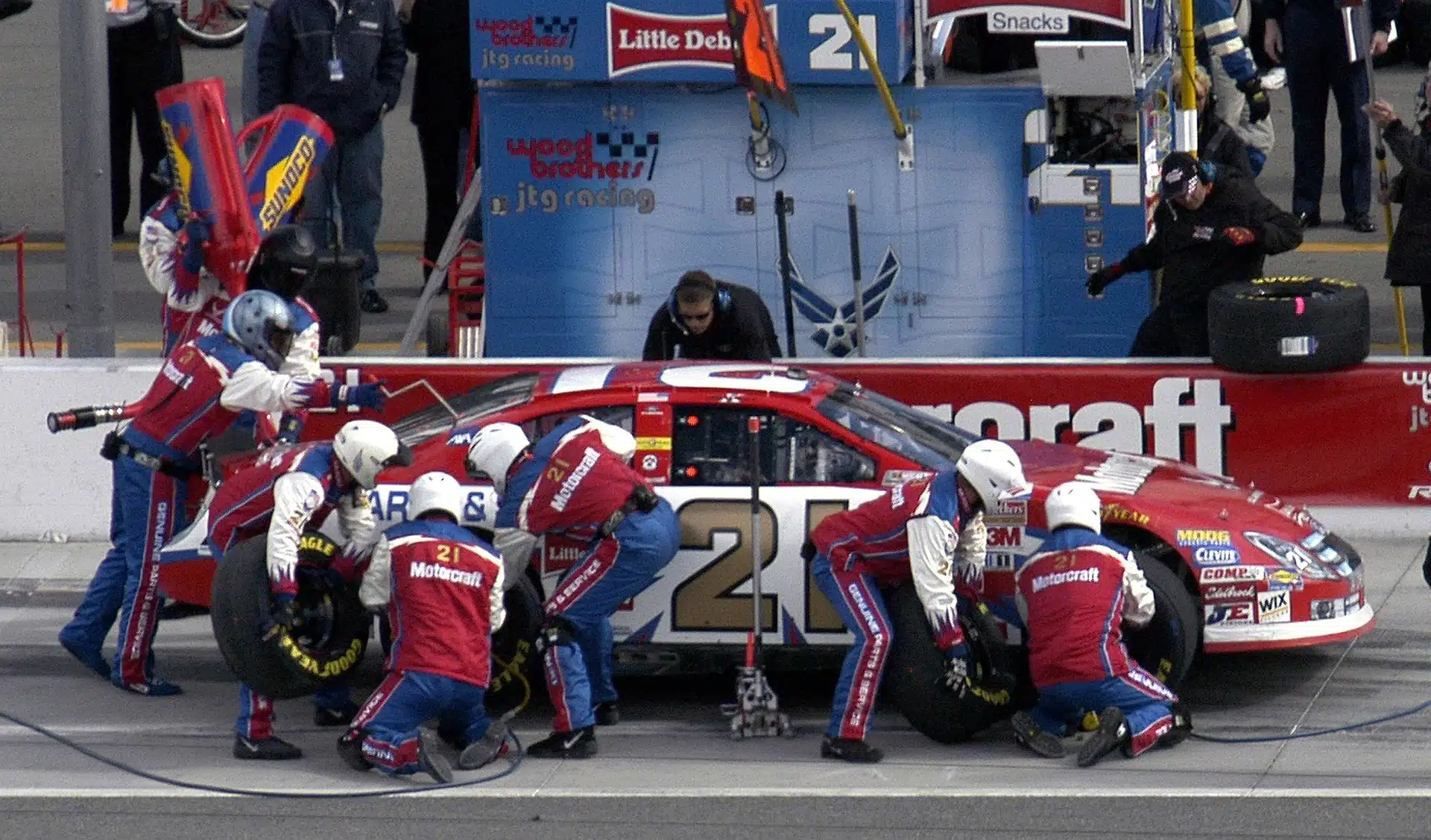
When a cardiac arrest is called in, the cardiac arrest ambulance crew that responds is not a single vehicle but a coordinated team of responders working with military precision. To an onlooker, seeing three or four vehicles arrive at once may appear excessive. In fact, it is one of the most important advances in out-of-hospital cardiac arrest survival of the past two decades.
Why Does the Cardiac Arrest Ambulance Crew Use a Pit Crew Approach?
The pit crew approach to cardiac arrest is directly inspired by Formula One racing. In F1, a pit stop involves a large team of specialists each performing a single, precisely defined task simultaneously — the result is a tyre change completed in under two seconds. The cardiac arrest ambulance crew applies exactly the same logic to resuscitation on the street.
CPR is physically exhausting. A single paramedic performing uninterrupted chest compressions will fatigue within minutes, and fatigued compressions are less effective. Research published in the American Heart Association’s journal Circulation has consistently shown that chest compression quality degrades significantly after just two minutes without a crew rotation. By contrast, a coordinated cardiac arrest ambulance crew can maintain high-quality compressions continuously, rotating every two minutes to prevent fatigue without interrupting the rhythm of resuscitation.
The evidence is clear: the pit crew approach improves patient survival rates compared to uncoordinated single-responder resuscitation. A study in the Journal of Emergency Medical Services found that systems using structured pit crew CPR protocols achieved significantly higher rates of return of spontaneous circulation (ROSC) — the point at which the heart restarts.
What Does Each Member of the Cardiac Arrest Ambulance Crew Do?
In a structured pit crew response to cardiac arrest, every member of the cardiac arrest ambulance crew has a specific, predefined role. There is no confusion, no duplication, and no wasted time. Key roles typically include:
- Compressor — delivers chest compressions and rotates with a second compressor every two minutes to maintain quality
- Airway manager — maintains the patient’s airway, delivers ventilations, and manages oxygen supply
- Defibrillator operator — attaches the defibrillator, analyses rhythm, and delivers shocks as indicated
- IV/medication lead — establishes intravenous access and administers drugs including adrenaline according to the resuscitation algorithm
- Team leader — coordinates the team, monitors the overall clinical picture, makes key decisions, and communicates with hospital
Beyond these core roles, the team also ensures 360-degree access to the patient — which may involve carefully moving the patient a short distance — uses a cardiac arrest checklist to ensure nothing is missed, and maintains calm, structured communication throughout. The team leader calls the time, coordinates drug administration, and decides when and whether to stop resuscitation attempts.
The Science Behind the Cardiac Arrest Ambulance Crew Approach
The cardiac arrest ambulance crew approach is grounded in decades of resuscitation science. The critical importance of minimising interruptions to chest compressions — known as the no-flow ratio — is well established. Every second without compressions is a second without blood flow to the brain. The European Resuscitation Council guidelines and the Resuscitation Council UK both emphasise high-quality, uninterrupted CPR as the single most important factor in out-of-hospital cardiac arrest survival — ahead of drugs, ahead of advanced airway management, and second only to early defibrillation.
The brain begins to sustain injury within approximately three minutes of cardiac arrest without CPR. This stark timeline is precisely why the cardiac arrest ambulance crew operates with such speed and structure. Every element of the pit crew system — the role assignments, the rotation protocol, the team leader, the checklist — exists to protect those three minutes and to extend the window of survivability.
What Cardiac Arrest Survivors Should Know About the Ambulance Crew Response
Many cardiac arrest survivors have no memory of the event itself, but they sometimes encounter descriptions from family members or witnesses about what happened — and are struck by the number of people involved. Understanding that this large-scale, coordinated cardiac arrest ambulance crew response is deliberate and evidence-based can be reassuring. It means that when it mattered most, an optimised system was working on your behalf.
For co-survivors — particularly those who performed CPR while waiting for the ambulance crew to arrive — knowing that their compressions were part of this broader system of care can also be meaningful. Bystander CPR is the first link in a chain that the cardiac arrest ambulance crew then continues and builds upon. See our pages on Cardiac Arrest and The Chain of Survival for more on how each stage of the response connects.
Watch the Cardiac Arrest Ambulance Crew Pit Crew Approach in Action
The following videos demonstrate the pit crew approach to cardiac arrest resuscitation. The first shows the London Ambulance Service simulating a cardiac arrest response using the pit crew method. The second and third are US training videos illustrating the role structure and coordination involved.
London Ambulance Service — Pit Crew Simulation:
US Pit Crew CPR Training — Role Structure:
US Pit Crew CPR Training — Coordination in Practice:
See also: Cardiac Arrest, The Chain of Survival, Emergency Responders, Defibrillators, and CPR.